Discovering that your property has been broken into can be an unsettling experience. Whether it is a home, office, retail unit, or rental property, the first 24 hours are critical for protecting the premises, preserving evidence, and beginning the recovery process. Taking the right steps quickly can minimise further damage, support insurance claims, and help restore a sense of security. Understanding what typically happens during this period allows property owners and occupants to respond effectively while reducing the risk of additional losses.
Overview
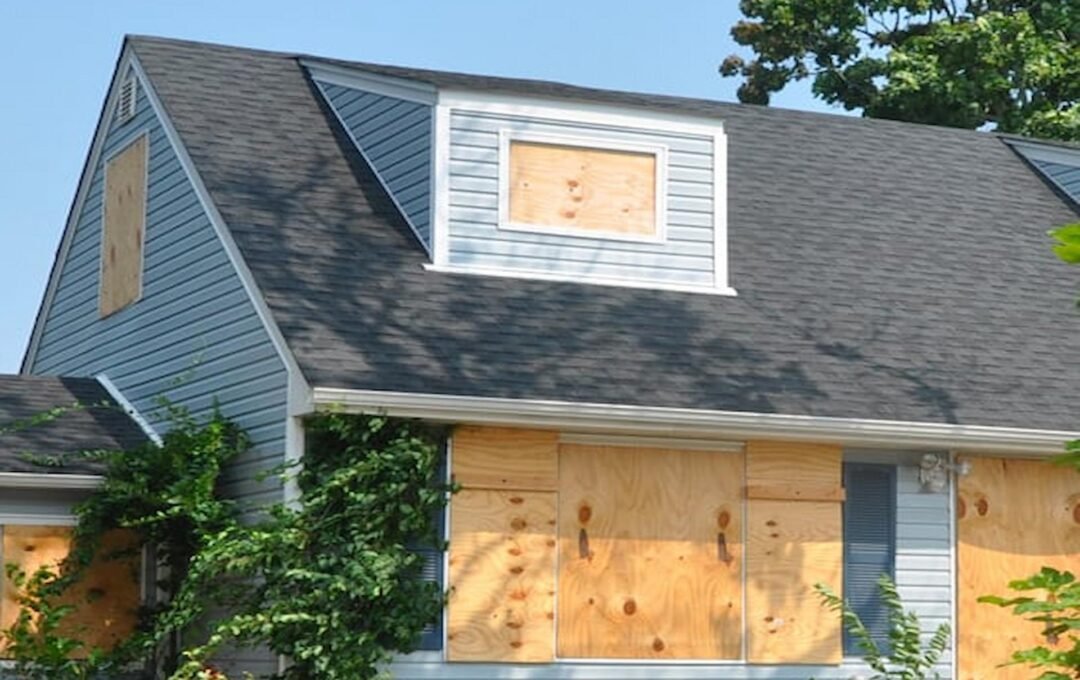
One of the priorities after a break-in is securing any damaged entry points. Broken windows, damaged doors, and compromised locks can leave a property exposed to weather, theft, or vandalism. This is why many property owners arrange emergency boarding up services immediately after discovering the incident. Temporary protection helps prevent unauthorised access while longer-term repairs are organised and assessed by relevant professionals.
The Immediate Discovery Phase
The initial moments after discovering a break-in often involve assessing the situation carefully.
Prioritising Personal Safety
Before entering the property, it is important to ensure that no intruders remain inside. If there is any uncertainty, contacting the police before entering is the safest course of action.
Avoiding Disturbance of Evidence
Property owners should avoid touching damaged locks, broken glass, or moved belongings wherever possible. Preserving the scene can assist police investigations and improve the accuracy of evidence collection.
Once the property is confirmed safe, attention can shift towards documenting visible damage and identifying any missing possessions.
Contacting the Police
Reporting a burglary promptly is a key step in the recovery process.
Why a Police Report Matters
A formal police report creates an official record of the incident. This document is often required by insurers when processing claims relating to stolen items, structural damage, or business interruption.
Information Commonly Requested
Officers may ask for:
- The time the break-in was discovered
- Details of missing items
- Photographs of damage
- CCTV footage, if available
- Witness information
Providing clear and accurate information can support the investigation and improve the chances of identifying offenders.
Securing the Property
After notifying the authorities, preventing further access becomes a priority.
Temporary Security Measures
Damaged windows and doors can make a property vulnerable. Professional contractors often provide emergency boarding up solutions to secure affected areas until permanent repairs can be completed.
Lock Replacement and Repairs
Where locks have been forced or damaged, emergency locksmith services may be required. Replacing compromised locks helps restore security quickly and reduces future risks.
This stage is particularly important for commercial premises where stock, equipment, or confidential information may still be present.
Documenting Damage and Losses
Creating a detailed record of the incident is essential for insurance and repair purposes.
Important Evidence to Gather
Property owners should take photographs and videos of:
- Damaged windows and doors
- Forced entry points
- Disturbed rooms
- Missing valuables
- Structural damage
Detailed records help establish the extent of losses and support communication with insurers, contractors, and investigators.
Informing Your Insurance Provider
Many insurance policies require prompt notification following a break-in.
What Insurers Usually Need
Insurance providers may request:
- A police crime reference number
- Photographs of damage
- An inventory of stolen items
- Estimates for repairs
- Proof of ownership for valuable possessions
Submitting information promptly can help prevent delays during the claims process.
Assessing Wider Property Risks
A break-in sometimes reveals security weaknesses that were previously overlooked.
Areas Worth Reviewing
Property owners may evaluate:
- Door and window security
- Alarm systems
- Outdoor lighting
- CCTV coverage
- Access control procedures
Identifying vulnerabilities early can reduce the likelihood of repeat incidents.
Common Actions During the First Day
The first 24 hours often involve several practical tasks occurring simultaneously.
Immediate Priorities
- Contact emergency services if necessary
- Report the incident to the police
- Secure damaged entry points
- Photograph all damage
- Create a list of missing items
- Notify insurers
- Arrange temporary repairs
Completing these actions quickly helps establish control over a stressful situation and supports a smoother recovery process.
Emotional and Practical Recovery
The effects of a break-in are not limited to physical damage. Many people experience feelings of anxiety, frustration, or vulnerability afterwards.
Supporting Occupants
For households, reassurance and clear communication can help family members feel safer. In business settings, informing employees about security measures and recovery plans can restore confidence.
Restoring Normal Operations
Businesses may need to assess operational disruption, while homeowners often focus on replacing essential items and arranging permanent repairs.
Taking organised steps during the first day can help reduce uncertainty and accelerate recovery.
Preventive Improvements After a Break-In
Many property owners choose to strengthen security after experiencing a burglary.
Security Upgrades to Consider
- High-security locks
- Reinforced doors
- Security glazing
- Motion-activated lighting
- Monitored alarm systems
- Additional CCTV cameras
These improvements can increase protection and may even contribute to lower insurance premiums in some cases.
Building Back Confidence
Although a property break-in can be distressing, the first 24 hours provide an important opportunity to regain control of the situation. Acting quickly to secure the premises, report the incident, document losses, and begin repairs helps limit further damage and supports successful insurance claims. Equally important is addressing emotional well-being and reviewing future security measures. With a structured response and professional assistance where needed, property owners can move forward confidently and restore both safety and peace of mind.