Small heating issues often seem harmless at first—a slight rattle, a room that never quite warms up, or a boiler that occasionally loses pressure. Yet these minor niggles can escalate rapidly into expensive repairs, discomfort during cold snaps, or even safety hazards if left unaddressed. In the UK, where winters can turn chilly without much warning, recognising the early signs of trouble in your heating system is essential for keeping your home comfortable and your energy bills under control.
Many homeowners assume that as long as the radiators eventually warm up, everything is fine. However, small problems frequently signal underlying wear that, over time, strains components and shortens the lifespan of the entire system. Addressing them promptly through professional heating system service not only prevents bigger headaches but also improves efficiency and peace of mind.
Recognising the Warning Signs
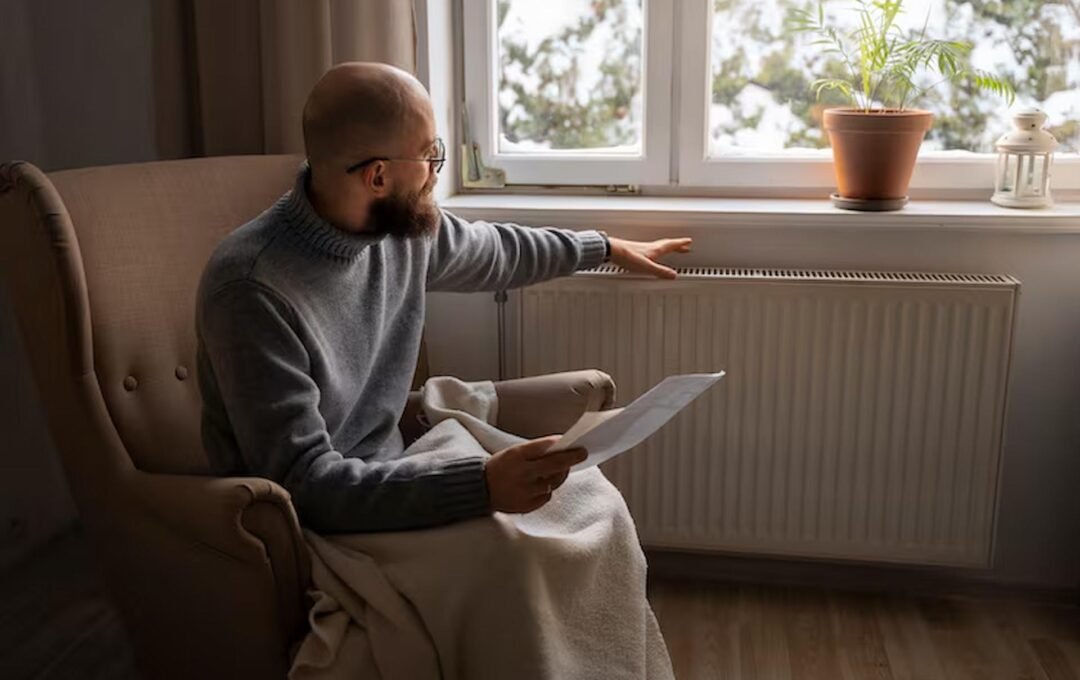
One of the most common early indicators is uneven heating across your home. You might notice that upstairs radiators stay lukewarm while downstairs ones are scorching, or certain rooms never reach a comfortable temperature. This often points to trapped air in the system, sludge buildup in pipes, or unbalanced radiators. While it may feel like a minor inconvenience, persistent uneven warmth forces the boiler to work harder, driving up energy consumption and accelerating wear on the pump and heat exchanger.
Unusual noises are another red flag. A gentle humming might be normal, but banging, whistling, or kettling sounds (like a boiling kettle) suggest limescale accumulation or air pockets. In hard-water areas common across parts of the UK, these issues develop gradually but can lead to restricted flow and overheating if ignored. Similarly, a boiler that frequently loses pressure or requires regular topping up indicates a small leak or faulty valve that could worsen into water damage or complete failure.
Rising energy bills without any change in usage habits often catch people by surprise. A clogged air filter, dirty components, or minor thermostat faults make the system run longer and harder to achieve the same results. Over months, this inefficiency adds up, turning a small maintenance oversight into a noticeable dent in your household budget.
How Minor Faults Escalate Quickly
What starts as a minor irritation can snowball, especially during peak winter demand when heating systems are under the most strain. For instance, a dirty filter restricts airflow, causing the system to overheat and potentially trip safety mechanisms. If this happens repeatedly, it stresses motors and electrical components, leading to premature breakdowns that require costly parts replacements.
Short cycling—where the boiler fires up and shuts down far more often than normal—is another subtle problem with serious consequences. It might stem from a miscalibrated thermostat, low water pressure, or a failing sensor. Left unchecked, short cycling prevents the system from operating at optimal efficiency, increases wear on the heat exchanger, and in extreme cases raises the risk of component failure or even carbon monoxide concerns if combustion is affected.
Leaks around the boiler or pipework may begin as tiny drips but can corrode surrounding materials and cause structural damage to walls or floors. In gas systems, any fault involving the flue or burner demands immediate attention, as neglected issues can compromise safety features designed to protect against harmful emissions.
Common Small Issues and Their Potential Impact
Several everyday problems frequently go unnoticed until they become urgent:
- Clogged or dirty filters: Restrict airflow, reduce efficiency, and cause the system to overwork.
- Thermostat inaccuracies: Lead to inconsistent temperatures and unnecessary running times.
- Pilot light or ignition faults: Prevent reliable starting and may indicate broader electrical or gas issues.
- Low boiler pressure: Often due to minor leaks or air in the system, resulting in poor radiator performance.
- Strange odours or discoloured flames: Can signal incomplete combustion or internal buildup, requiring professional diagnosis.
Each of these may seem manageable on its own, yet they share a common thread: they place extra strain on the system, hastening the need for major interventions.
The Importance of Timely Professional Attention
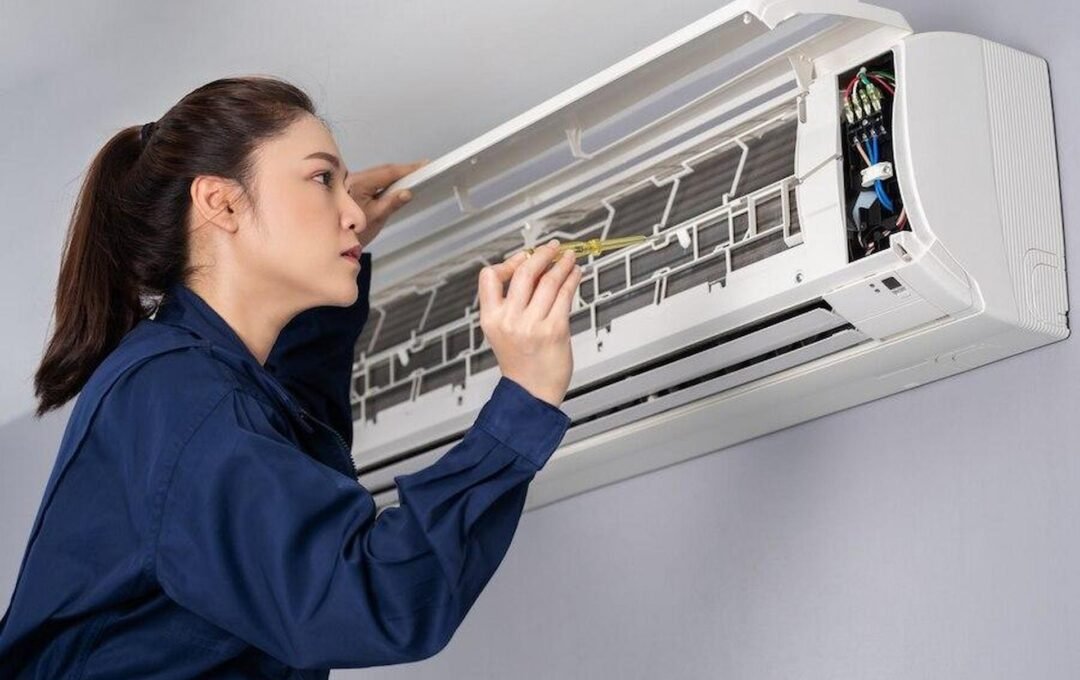
Regular heating system service plays a vital role in catching these issues before they escalate. A qualified engineer can perform thorough checks, clean components, bleed radiators, and test safety features that most homeowners cannot safely access. Annual servicing not only extends the life of your boiler—often beyond the typical 10–15 years—but also helps maintain manufacturer warranties in many cases.
Beyond prevention, professional attention ensures compliance with UK gas safety regulations. Gas Safe registered engineers are trained to identify subtle risks that could otherwise go unnoticed, providing reassurance that your system is both efficient and secure.
Simple Steps You Can Take at Home
While professional servicing is irreplaceable for deeper diagnostics, homeowners can adopt several straightforward habits to minimise risks:
- Replace or clean air filters every three months, or more frequently in dusty homes.
- Bleed radiators at the start of the heating season to release trapped air.
- Monitor boiler pressure weekly and top up only when necessary, following manufacturer guidelines.
- Keep vents and registers clear of furniture or curtains to ensure proper airflow.
- Set your thermostat to a consistent, moderate temperature rather than constantly adjusting it.
These small actions support overall system health and complement professional care.
Conclusion
Small heating issues rarely stay small for long, particularly in the demanding UK climate. By staying alert to early warning signs such as uneven warmth, unusual noises, or creeping energy costs, you can intervene before minor faults develop into disruptive and expensive problems. Investing time in observation and routine care, alongside timely heating system service, protects your comfort, your wallet, and your home’s safety throughout the colder months.
Prioritising prevention today means fewer emergencies tomorrow and a more reliable heating system for years to come.