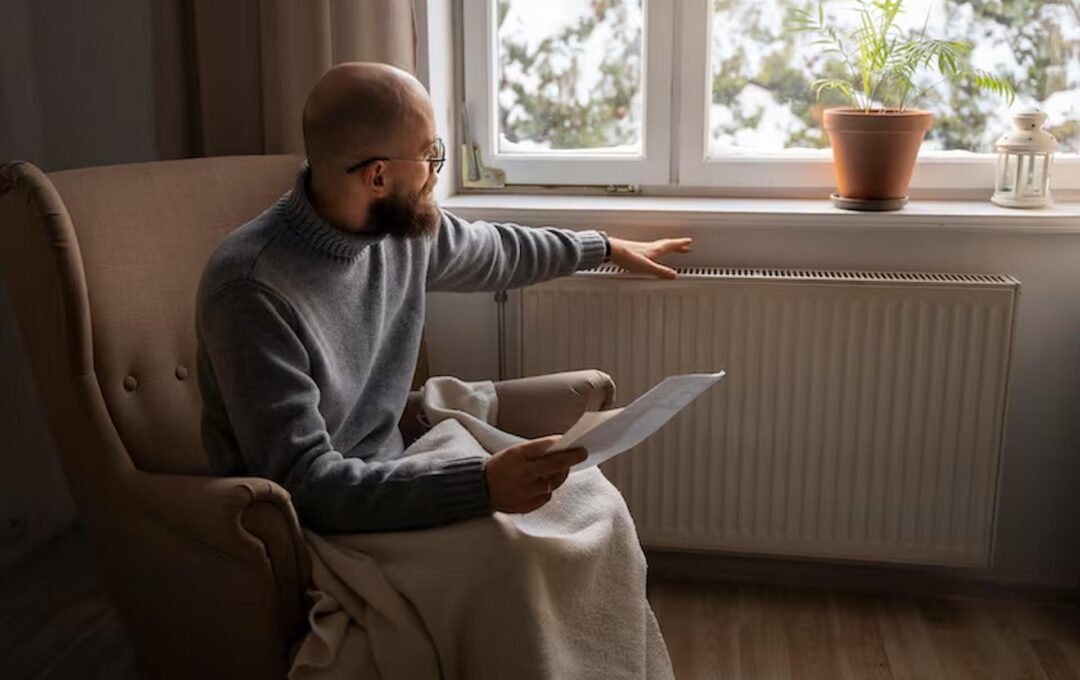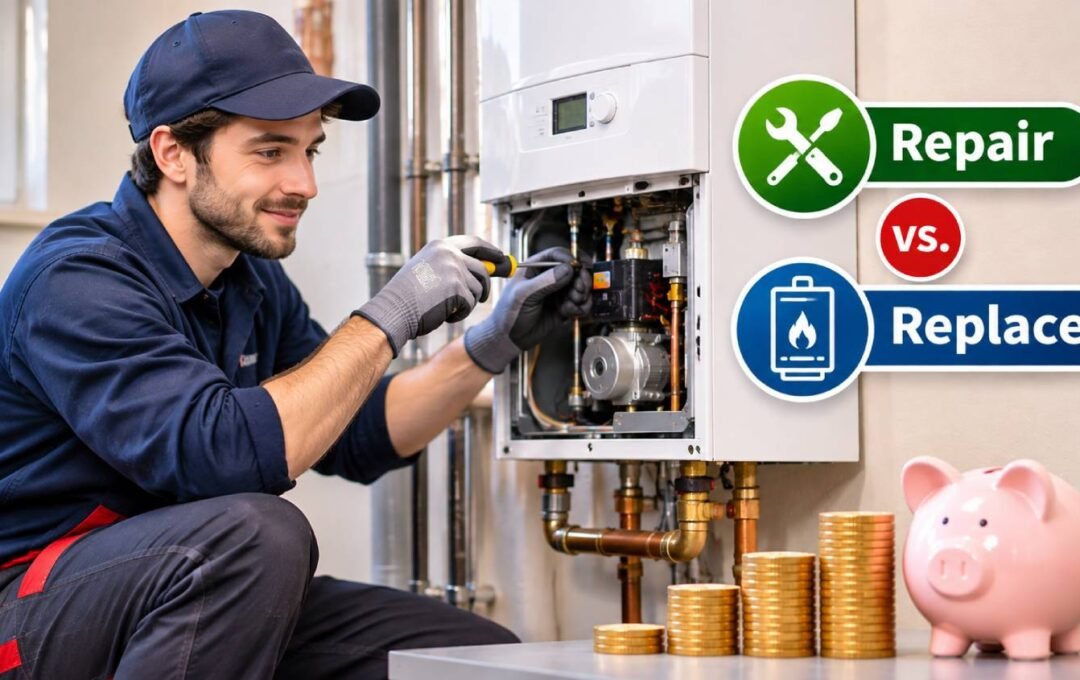
A cold snap hits. Your heating system splutters, clanks, or simply gives up. Now you face a tough question: fix it or start fresh?
In northwest Montana, winters are long and bitter. Your heating system works hard for months on end. Making the wrong call can cost you hundreds, even thousands, of pounds’ worth of wasted energy and repeat callouts. This guide will help you weigh up the real costs and decide with confidence.
The Quick Answer: It Depends on Age, Cost and Condition
Neither option wins every time. A cheap repair on a young system is sensible. A costly repair on an ageing one is often money down the drain.
Here is a simple way to think about it before we dig deeper.
The 50 Percent Rule
If a repair costs more than half the price of a new system, replacement usually makes better financial sense. It is a handy rule of thumb used by many heating engineers.
The Age Test
Most furnaces last 15 to 20 years. Boilers can run for 20 years or more with good care. Heat pumps typically manage 12 to 15 years. If your system is near the end of that range, repairs may only delay the inevitable.
When Repairing Your Heating System Makes Sense
Repair is the smarter route in several situations.
- The system is under 10 years old
- The fault is minor, such as a faulty thermostat, worn igniter or blown fuse
- Your energy bills have stayed steady
- The warranty still covers parts or labour
A small fix on a healthy system is good value. Regular servicing also helps. Annual maintenance catches problems early and keeps efficiency high.
Signs It Is Time for Heating System Replacement in Kalispell, MT
If you are weighing up heating system replacement in Kalispell, MT, look out for these warning signs. One alone may not settle it. Several together should make you think hard.
Rising Energy Bills
Older systems lose efficiency each year. If your heating costs keep creeping up despite similar usage, your equipment is probably struggling.
Frequent Breakdowns
One repair is bad luck. Three in two years is a pattern. Each callout adds up, and the next fault is often just around the corner.
Uneven Heating and Strange Noises
Cold rooms, banging, rattling or constant cycling point to deeper trouble. These issues rarely fix themselves.
Safety Concerns
A cracked heat exchanger or a carbon monoxide leak is serious. Never gamble here. Replacement is often the only safe answer, and a working carbon monoxide detector is essential in every home.
Comparing the Costs
Upfront price tells only half the story. Think about long-term spending too.
Repairs cost less today. Typical jobs range from a modest sum for a thermostat to a significant bill for a new blower motor or compressor. However, repeated repairs on an old system can overtake the cost of a new unit surprisingly fast.
Replacement costs more upfront. Yet modern, high-efficiency furnaces and heat pumps can cut energy use noticeably compared with units from the early 2000s. Over a decade, those savings can be substantial. Some homeowners may also qualify for utility rebates or federal tax credits on energy-efficient equipment. Always check current schemes before you buy, as the rules change.
Other Factors Worth Considering
Money is not everything. Comfort and reliability matter too.
- Home value: A modern system appeals to buyers.
- Fuel type: Switching between gas, electric or a heat pump may suit your property better.
- Sizing: A unit that is too large or too small wastes energy. A proper load calculation is vital.
- Climate: Montana’s deep freezes demand a system built for cold conditions.
How to Make the Right Decision
Follow these simple steps.
- Note your system’s age and repair history.
- Get a written quote for the repair.
- Compare it with the cost of a new, efficient unit.
- Ask a licensed local technician for an honest assessment.
- Choose the option with the lower total cost over the next five to ten years.
A trustworthy contractor will explain your options clearly and will not pressure you. If one pushes you towards a quick sale, get a second opinion.
Conclusion
Repair saves money when the problem is small and the system is young. Replacement saves more when the unit is old, unreliable and expensive to run. Weigh the age, the bills and the safety risks, then decide.
Do not wait for a midwinter breakdown. A professional inspection now can reveal whether you have years left or just weeks. Speak to a qualified local heating specialist, and make your choice before the next freeze arrives.