A sudden banging or knocking sound from the plumbing can be startling. Many homeowners hear these noises when taps are turned off quickly or when appliances start and stop. Understanding the reasons behind the sounds helps you decide whether a simple adjustment will solve the problem or whether professional help is needed.
Knocking pipes often point to pressure changes or movement within the system. Learning the causes behind knocking pipes allows you to take practical steps before the issue leads to loose fittings or damage. Early attention keeps the plumbing quieter and more reliable.
Water Hammer and Sudden Pressure Changes
Water hammer occurs when flowing water is forced to stop or change direction abruptly. Closing a tap quickly or the sudden shut-off of a washing machine valve creates a pressure surge that travels through the pipes. The resulting shock wave makes the pipes vibrate and produce a distinctive knocking or banging sound.
This problem is more noticeable in systems with higher water pressure or long straight runs of pipe. Identifying the causes behind knocking pipes in these systems often reveals that over time, repeated force can loosen joints and supports. Installing or restoring air chambers, also known as water hammer arrestors, gives the pressure surge a place to dissipate and often reduces the noise significantly.
Loose or Inadequately Supported Pipes
Pipes that are not firmly secured can knock against joists, walls, or other pipes whenever water flows. Vibration from normal use causes the loose sections to move and create repetitive sounds. Older homes sometimes have supports that have shifted or deteriorated, leaving lengths of pipe free to rattle.
Checking accessible areas such as under floors or in cupboards can reveal loose clips or brackets. Tightening or adding extra supports in the correct places usually stops the movement. Care must be taken not to overtighten plastic pipes, as this can cause damage.
High Water Pressure
Excessive mains pressure forces water through the system with greater force. When flow is interrupted, the higher pressure produces stronger shock waves and louder knocking. Many properties benefit from a pressure-reducing valve fitted near the main stopcock.
A simple pressure gauge attached to an outdoor tap can show whether the pressure sits above the normal domestic range. If readings are consistently high, fitting a suitable regulator brings the force under control and often eliminates the banging. This adjustment also reduces wear on taps, valves, and appliances.
Thermal Expansion in Hot-Water Pipes
Hot-water pipes expand as the temperature rises and contract as they cool. If the pipework lacks room to move or is tightly constrained, the expansion can produce creaking or knocking sounds. This is especially common in copper systems that run through tight holes in joists or are clipped too rigidly.
Allowing a small amount of free movement or using expansion loops in longer runs can prevent the noise. In some cases, simply loosening a restrictive clip or adding a foam insulator where the pipe passes through a wall is enough to stop the sound.
Air in the System or Partially Closed Valves
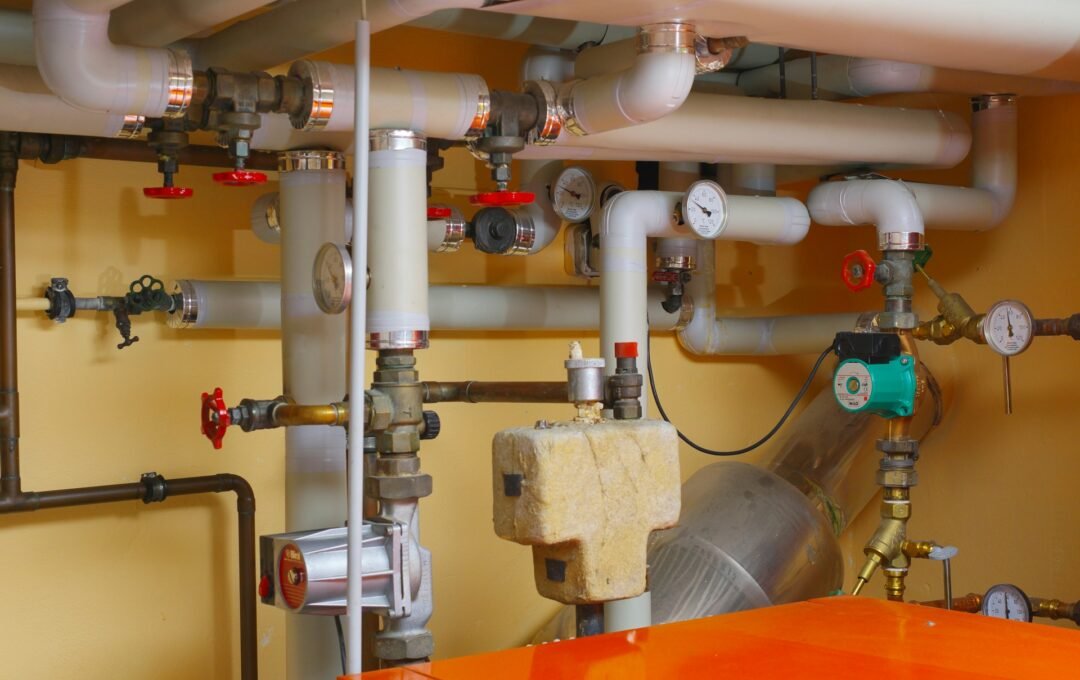
Trapped air can create knocking or gurgling as water tries to pass. Partially closed isolation valves or stopcocks also restrict flow and may generate noise. Opening all relevant valves fully and bleeding air from radiators or high points in the system often clears these issues.
If the noise persists after these basic checks, the underlying plumbing issues may involve more complex factors such as worn valves or scale build-up. A qualified plumber can diagnose the exact source and recommend the most effective remedy.
Practical Steps to Reduce or Eliminate the Noise
Several straightforward actions can quieten knocking pipes:
- Close taps more gently to reduce sudden pressure surges
- Check and secure any visible loose pipe clips or brackets
- Test water pressure and fit a reducing valve if readings are high
- Ensure isolation valves are fully open
- Consider water hammer arrestors on appliances that shut off quickly
These measures resolve many common cases. When the noise continues or is accompanied by leaks or reduced flow, professional assessment becomes the safer option.
When to Call a Plumber
Persistent knocking that returns after simple fixes usually indicates a deeper issue. A plumber can inspect the full system, measure pressure accurately, and identify worn components that need replacement. Addressing the root cause prevents gradual damage to joints and pipework.
Regular maintenance, such as checking supports and keeping pressure within normal limits, helps keep the plumbing quiet for longer. Paying attention to new or changing sounds allows problems to be corrected before they become more serious.
Conclusion
Knocking pipes are a common household annoyance that usually stems from pressure changes, loose supports, or thermal movement. Identifying the specific issue and applying the appropriate fix restores quieter operation and protects the system from unnecessary stress. Simple adjustments often bring immediate improvement, while more complex cases benefit from professional attention. Keeping the plumbing secure and pressure-controlled ensures reliable, quieter performance for years ahead.